
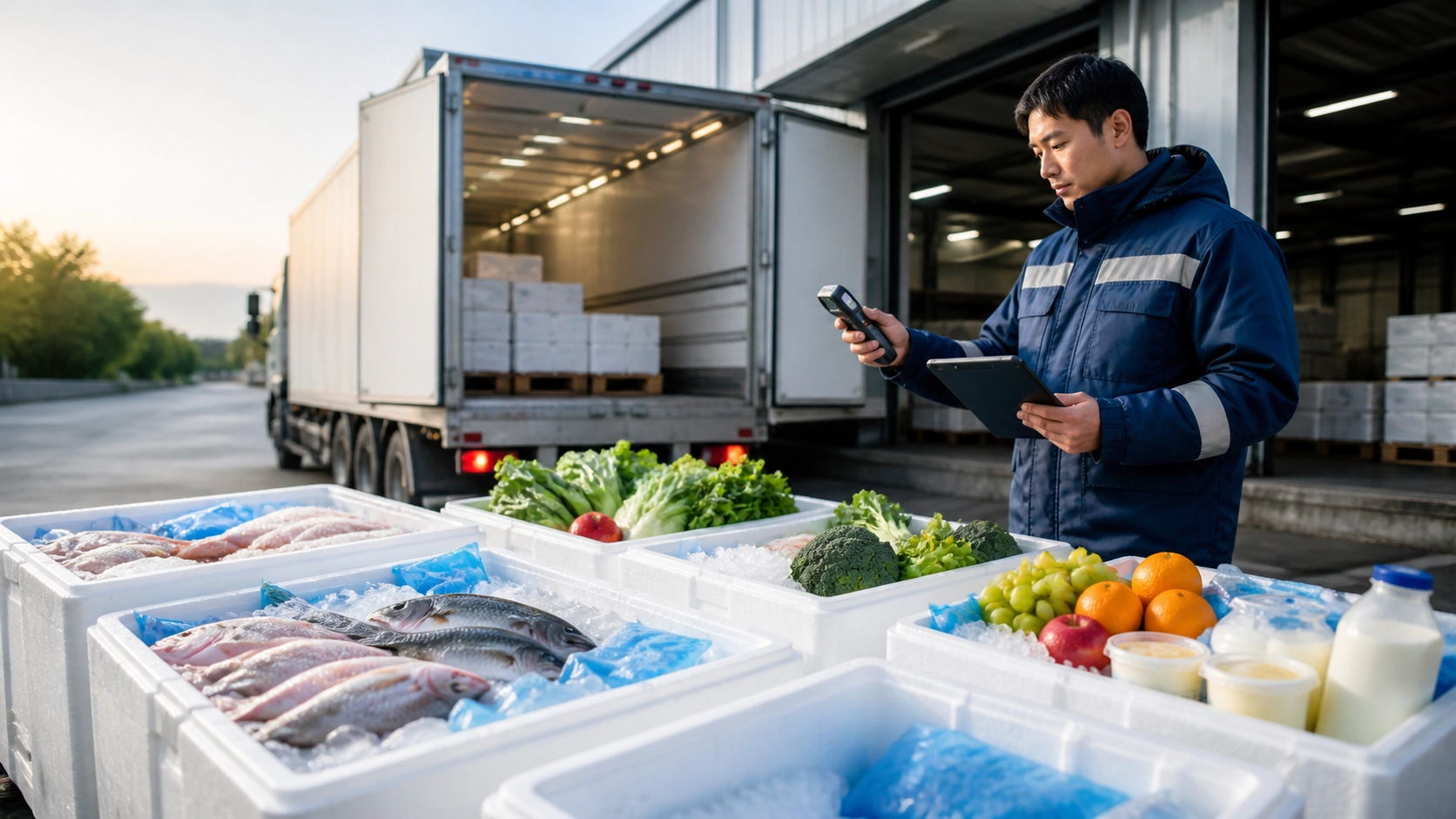
How to Ship Perishable Goods Without Losing Quality During Transit
Shipping perishable goods is less about movement and more about preservation. Products such as food, pharmaceuticals, and temperature-sensitive materials depend on stable conditions throughout the journey. A small gap in handling—whether in temperature, timing, or packaging—can reduce quality or lead to complete loss.
In regions like the UAE, where temperatures can exceed 45°C, the margin for error becomes even smaller. Heat exposure, even for short periods, can affect product integrity. This makes careful planning and controlled logistics essential at every stage.
For businesses relying on a dependable shipping company in Dubai, maintaining product quality across storage, transport, and delivery becomes far more consistent.
Why Perishable Shipping Requires More Control
Perishable cargo handling behaves differently from standard freight. It reacts quickly to changes in:
- Temperature
- Transit time
- Humidity
- Handling conditions
Items like dairy, seafood, frozen products, fresh produce, and pharmaceuticals require stable environments. Once conditions move outside the acceptable range, recovery is rarely possible.
Because of this, perishable logistics is built around one principle—maintaining a continuous cold chain from origin to destination.
Maintaining the Cold Chain
A cold chain is not limited to refrigerated transport. It begins at storage and continues through loading, transit, and final delivery.
This includes:
- Pre-cooling products before dispatch
- Using temperature-controlled storage
- Transporting goods in refrigerated vehicles
- Monitoring conditions throughout the journey
Refrigerated containers are designed to maintain temperature, not bring it down. Loading goods at the wrong temperature is one of the most common reasons for spoilage.
What Actually Protects Perishable Cargo
1. Temperature Stability
Each product category requires a specific temperature range:
- Chilled cargo: 2°C to 8°C
- Frozen cargo: -18°C or below
Maintaining these ranges consistently is critical. Even short fluctuations can affect shelf life, especially in high-temperature environments like the UAE.
2. Packaging That Holds Conditions
Packaging plays a functional role, not just a protective one.
Effective solutions include:
- Insulated containers or foam boxes
- Thermal liners
- Gel packs for chilled goods
- Dry ice for frozen shipments
- Airtight sealing to prevent moisture exposure
The goal is to create a barrier between the product and external conditions, especially during handling and transit.
3. Transit Time and Route Planning
Time directly impacts product quality.
Longer transit increases risk, which is why many perishable shipments rely on:
- Direct routes
- Minimal handling points
- Faster transport modes when required
Keeping delivery within a controlled timeframe—often under 48 hours—helps maintain stability.
4. Pre-Cooling and Loading Discipline
Temperature control starts before the journey.
Products must be pre-cooled, and transport units should be prepared in advance. Poor loading practices—such as blocking airflow or stacking cargo incorrectly—can create uneven cooling inside containers.
In hot and humid conditions, this can quickly lead to localised spoilage.
5. Monitoring Conditions in Real Time
Modern logistics relies on visibility.
Temperature sensors, data loggers, and tracking systems provide continuous updates on:
- Temperature levels
- Location
- Transit conditions
These tools help identify issues early and reduce the risk of unnoticed damage.
UAE-Specific Challenges to Consider
Heat Exposure During Transfers
In the UAE, one of the most sensitive points is the shift between warehouse and transport. Even brief exposure to outdoor temperatures can affect cargo.
This stage often determines whether the cold chain remains intact.
Regulatory Requirements
Authorities such as MOCCAE, Dubai Municipality (FIRS), and ADAFSA enforce strict standards for perishable imports.
Requirements often include:
- Accurate labeling
- Shelf-life compliance
- Product certifications
Non-compliance can lead to shipment rejection rather than correction.
Humidity and Coastal Conditions
High humidity levels in coastal regions can:
- Affect packaging strength
- Increase moisture damage
- Create conditions for mould
Using moisture-resistant and heat-tolerant materials helps reduce these risks.
Where Problems Usually Start
Most perishable cargo losses are not caused by long-distance transport. They begin earlier, often during preparation.
Common issues include:
- Loading products without pre-cooling
- Using incorrect temperature settings
- Inadequate packaging
- Lack of monitoring during transit
- Delays caused by scheduling or handling gaps
Each of these factors can affect product condition before delivery.
The Role of Experience in Perishable Logistics
Handling perishable cargo requires coordination, timing, and infrastructure. It involves more than just transport—it requires control across multiple stages.
Working with an experienced shipping company in Dubai helps ensure that:
- Temperature conditions are maintained
- Documentation and compliance are managed
- Transit is planned efficiently
- Handling risks is minimised
Consistency in execution often determines whether products arrive in usable condition.
Final Thoughts
Shipping perishable goods without losing quality depends on preparation, control, and attention to detail. Temperature stability, packaging, timing, and monitoring all contribute to maintaining product integrity.
In environments like the UAE, where external conditions are challenging, logistics becomes a direct part of product quality management.
When each stage is handled carefully, perishable shipments can move across regions and borders without compromise—arriving as intended, without loss of value or trust.