When a shipment becomes critical, every minute counts. A production line grinds to a halt. A hospital urgently needs medical equipment that’s still halfway across the world. An aircraft sits grounded because of a failed component. In moments like these, scheduled air freight simply can’t deliver—the timing’s too rigid, the routes too indirect, and the risk of delays too high.
Emergency air charter services change the equation entirely. Instead of fitting into existing schedules and sharing cargo space, you get dedicated aircraft, direct routing, and immediate departure. When time is literally money, that difference matters.
The UAE’s position amplifies these advantages. Dubai International, Al Maktoum International, and Abu Dhabi International form one of the world’s most connected aviation hubs. The infrastructure is excellent, and sitting between Asia, Europe, and Africa puts the UAE at the center of global trade routes. When speed is critical, few places offer better options.
This blog breaks down how to effectively manage emergency shipments through air charter—what actually matters operationally, what usually causes delays, and why UAE businesses increasingly rely on this solution when downtime simply isn’t negotiable.
Why Emergency Shipments Matter Here
The UAE economy runs on precision timing. Industries like aviation, oil and gas, manufacturing, healthcare, and construction depend on supply chains that work without interruption. When something breaks, the pressure to fix it quickly is intense.
Aircraft-on-Ground (AOG) situations hit hard. Dubai and Abu Dhabi handle massive traffic volumes. When an aircraft goes down, costs stack up by the hour. Crew delays, passenger rebooking, lost slots—it adds up fast. Getting the right part on-site quickly isn’t a convenience; it’s survival.
Medical shipments can’t wait. Pharmaceuticals, transplant organs, emergency lab samples, and critical equipment are time-sensitive by nature. Delays here are not measured in revenue—they’re measured in real human consequences.
Industrial operations have zero slack. In oil & gas and manufacturing, one missing valve, sensor, or circuit board can shut down entire facilities. The ripple effects move fast, and contractual penalties often hit just as quickly.
Geography gives the UAE an edge here. Sitting between three continents means emergency loads can move east or west with minimal transit loss. Emergency air charter services use this advantage to move goods faster than almost anywhere else in the world.
How to Actually Manage Emergency Shipments
Handling emergency charters isn’t complicated—but it demands speed, clarity, and zero margin for error. Here’s what the real-life process looks like:
1. Get the Cargo Details Right — Immediately
The very first step decides the success of everything that follows. You need clarity on:
- Exact weight and dimensions
- Cargo type (AOG parts, medical supplies, batteries, dangerous goods)
- Temperature sensitivity
- Required permits and certifications
- Absolute delivery deadline
Misjudging size, weight, or regulatory requirements at this stage causes the kind of delays that cancel the entire advantage of chartering.
2. Engage 24/7 Specialist Support
Crisis logistics do not respect working hours. In the UAE’s globally connected business environment, emergencies can hit at any time. Working with a provider that runs a true 24/7 control tower with experienced charter specialists, operations teams, and dedicated account managers is non-negotiable.
Within minutes of your first call, aircraft sourcing, route planning, and ground coordination should already be in motion. This immediate response is often what separates controlled recovery from full-blown disruption.
For many businesses, choosing an experienced logistics company in Dubai becomes the foundation of how effectively these emergencies are controlled from the very first hour.
3. Lock Down Compliance Early
Fast flights mean nothing if your paperwork slows everything down on the ground. Depending on the shipment and destination, compliance may involve:
- Export & import permits
- Air Waybill
- Commercial Invoice & Packing List
- Certificate of Origin
- Dangerous Goods Declaration
- Special authority approvals
UAE Customs operates efficiently—but only when documentation is clean and accurate. Even minor inconsistencies can trigger inspections, which erase valuable time. Experienced charter providers handle pre-clearance, Free Zone coordination, and advance regulatory approvals to prevent these delays.
4. Match the Aircraft to the Mission
Charter networks provide access to 50,000+ aircraft globally—from turboprops and business jets to wide-body freighters and heavy-lift giants like the Antonov An-124.
Selection is based on:
- Cargo weight & dimensions
- Runway limitations
- Temperature control needs
- Dangerous goods class
- Speed priority vs cost structure
This technical matching process ensures that the aircraft is not just fast—but legally compliant, operationally safe, and financially optimized.
5. Use Direct Routing for Maximum Impact
This is where charters completely outperform scheduled freight:
- No layovers
- No cargo rollovers
- No waiting for belly space
- No rigid airline timetables
- Mid-flight rerouting if necessary
Flights can operate into secondary or uncongested airports, cutting 24–48 hours or more from transit time.
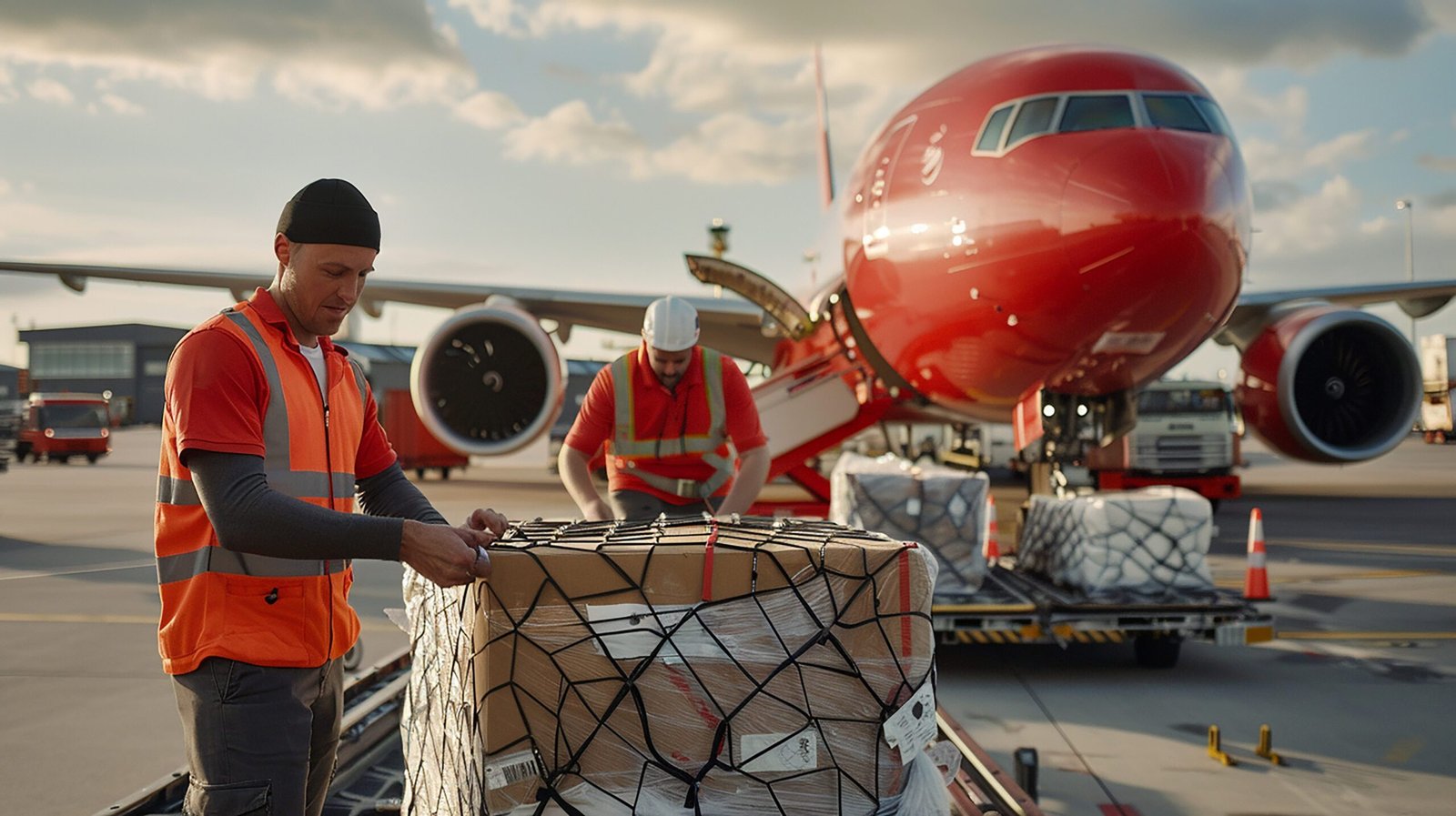
6. Ensure Proper Handling & Packaging
Emergency cargo often involves:
- Temperature-controlled packaging for pharma
- Specialized vibration-resistant packing for avionics
- Secure palletization for high-value electronics
- Certified DG handling for batteries & chemicals
All processes must comply with IATA Dangerous Goods Regulations, ensuring safety without compromising speed.
7. Maintain Real-Time Visibility
During a crisis, uncertainty makes everything worse. Leading providers offer:
- Live GPS tracking
- Automated departure & arrival alerts
- Continuous operations updates
- Full shipment transparency
This allows receiving teams to prepare customs clearance, last-mile delivery, and installation before the aircraft even lands.
8. Choose End-to-End Management
The strongest charter solutions don’t stop at the runway. They handle:
- Pickup at origin
- Export customs
- Ground handling
- Flight supervision
- Import clearance
- Final site delivery
One team controlling the entire chain removes handover risks, which is crucial when timelines are measured in hours.
UAE-Specific Challenges
Weather disruptions: Fog and sandstorms regularly affect schedules. Charter flights can reroute or shift airport operations almost instantly.
High operational costs: Yes, charters cost more upfront. But compared to halted production, breached contracts, grounded aircraft, or healthcare delays, the economics usually favor a fast recovery.
Strict compliance standards: The UAE has zero tolerance for regulatory shortcuts. Providers with deep customs and Free Zone experience prevent paperwork from becoming a bottleneck.
Remote delivery locations: Oil fields, desert projects, offshore facilities—scheduled air freight service in Dubai can’t reach these. Charter aircraft can.
What to Verify Before You Book
Before relying on any provider for Emergency air charter services, confirm they offer:
- True 24/7 global operations
- Proven experience with your cargo type
- Strong UAE customs & Free Zone knowledge
- Transparent pricing models
- Access to diverse aircraft classes
- Real-time shipment visibility
- Full insurance & liability coverage
- Door-to-door execution capability
Conclusion
Emergency logistics demand speed, discipline, and decision-making under pressure. The UAE’s aviation infrastructure, global connectivity, and strategic geography make air charters uniquely powerful in these moments.
When production stops, aircraft ground, or lives depend on precision timing, the right response is simple: act fast, clear compliance early, deploy the right aircraft, and maintain full visibility from pickup to delivery. In an environment where downtime can cost millions—or far more—Emergency air charter services give UAE businesses the ability to control chaos, restore operations, and protect what matters most, exactly when timing is everything.