Expanding into international markets is a big move for any manufacturer. New customers, larger orders, and long-term growth all come into the picture. But once production is complete, the focus quickly shifts to something just as critical—getting those products delivered without delays, damage, or unexpected costs.
This is where many businesses start to feel the pressure. International shipping for manufacturers is rarely as straightforward as it seems at first. It involves multiple steps, different regulations, and decisions that can affect both timelines and margins.
Getting these basics right early makes a noticeable difference later.
It’s Not Just About Sending Goods
Shipping is often treated as something that happens after everything else is done. In reality, it runs alongside production and planning.
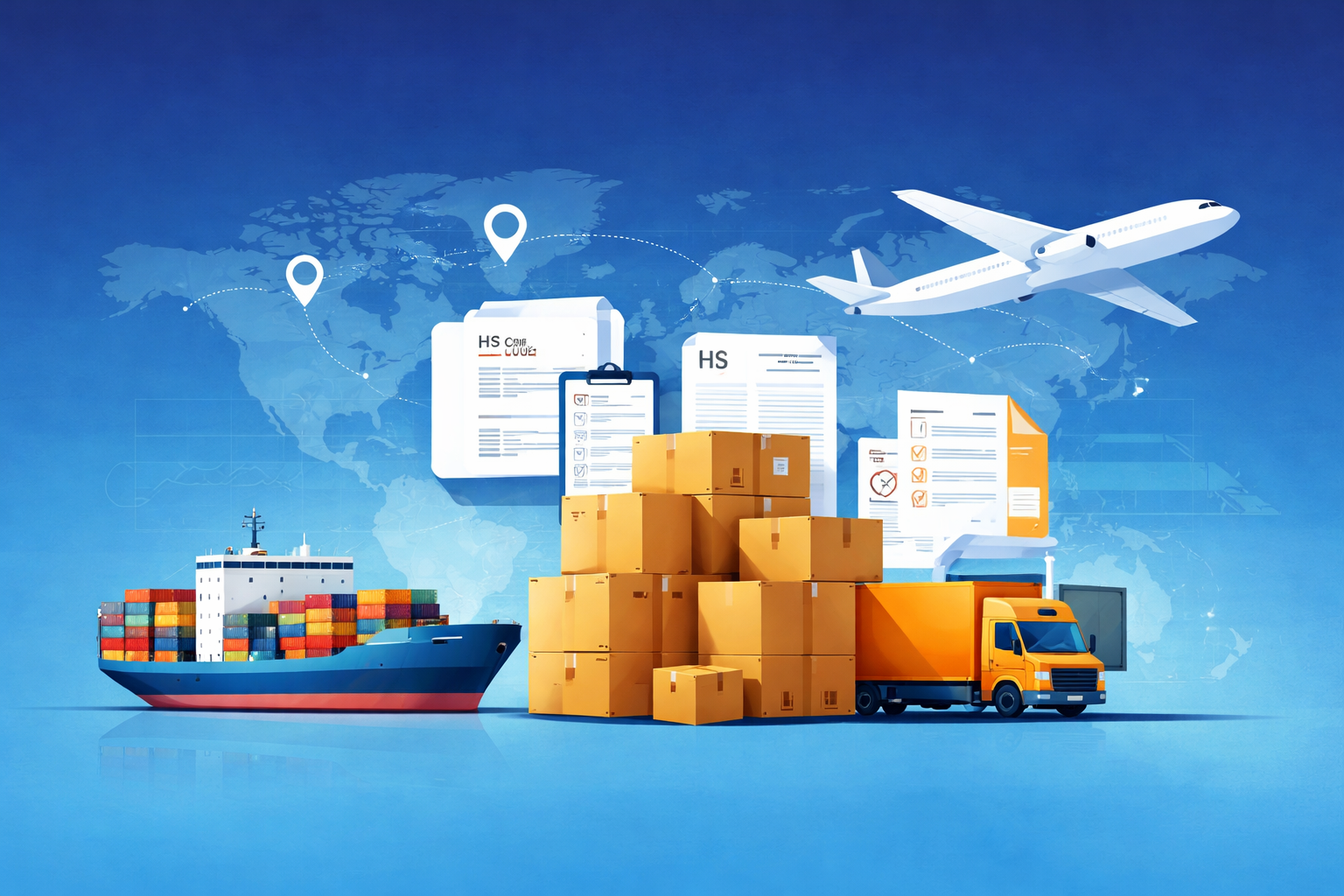
A shipment typically moves through several stages—documentation, customs clearance, freight movement, port handling, and final delivery. Each of these depends on the previous one being correct.
If something goes wrong at the beginning, it doesn’t stay small. It carries forward.
In places like Dubai, systems are designed to move quickly. But speed only works when everything is in order. For businesses dealing with international shipping for manufacturers, coordination matters just as much as timing.
Compliance Can Slow Things Down Quickly
Every country handles imports differently. What clears easily in one place might get stopped in another.
A common issue is product classification. Goods are identified using HS codes, and even a slight mismatch can lead to inspections or delays. With newer systems becoming more detailed, the margin for error is smaller than before.
Some shipments also require additional approvals—licenses, certifications, or safety checks—depending on the product.
These are not things that can be adjusted after dispatch. Once the shipment is moving, options become limited.
Documentation Still Causes the Most Trouble
Even with digital systems, paperwork continues to be one of the most sensitive parts of shipping.
The usual set includes:
- Commercial invoice
- Packing list
- Bill of lading or airway bill
- Certificate of origin
On paper, it looks simple. In practice, small inconsistencies—values, quantities, or descriptions—can slow things down.
In international shipping for manufacturers, documents are not just formalities. They are what customs authorities rely on to clear or hold a shipment.
And with digital platforms now flagging errors instantly, there is very little room for correction once submitted.
Costs Are Not Always Obvious
Freight cost is only one part of the total expense. What actually matters is the landed cost—everything combined.
That includes:
- Shipping charges
- Duties and taxes
- Insurance
- Handling fees
Another factor that often gets overlooked is Incoterms. These define who is responsible for each part of the shipment.
For example:
- Under DDP, the seller handles everything
- Under DAP, the buyer takes over at the destination
If this isn’t clearly defined, it can lead to confusion or delays at the final stage.
For businesses working in international shipping for manufacturers, clarity in cost responsibility avoids unnecessary complications.
Packaging Is More Important Than It Looks
Packaging decisions are often made quickly, but they have long-term effects.
Goods move through multiple handling points before reaching their destination. Weak or inefficient packaging increases the risk of damage.
At the same time, shipping costs are often calculated based on space, not just weight. Larger packaging can increase costs without adding real value.
A more balanced approach—secure, but space-efficient—usually works better.
Where You Operate From Matters
For manufacturers in the UAE, location plays a role in how shipments are handled.
Free zones are generally better suited for export-focused businesses. They simplify re-export processes and reduce certain cost factors.
Mainland setups, on the other hand, offer access to the local market but come with different procedures.
There’s no single right choice—it depends on how the business operates. But it does affect logistics more than it may seem at first.
For manufacturers working with a reliable logistics company in UAE, many of these challenges become easier to manage with proper coordination and local expertise. The region has developed into a strong hub for global logistics service from UAE, supporting businesses that ship products across multiple international markets with greater efficiency and control.
Processes Are Becoming More Digital
Shipping is gradually moving away from manual systems.
With changes like e-invoicing, businesses are expected to follow more structured formats. Records need to be accurate, consistent, and easily traceable.
For manufacturers, this means internal processes need to align with external systems.
In international shipping for manufacturers, digital readiness is becoming part of day-to-day operations, not an optional upgrade.
Timelines Are Not Always Predictable
Transit times can vary, even on the same route.
Factors like port congestion, weather, or route changes can affect delivery. Customs processing can also add unexpected delays.
Because of this, relying only on estimated timelines can create pressure—especially when dealing with clients.
Allowing some flexibility in planning helps manage these situations better.
Managing Everything Alone Can Be Challenging
As shipment volumes grow, managing each step internally becomes more demanding.
There are multiple points to coordinate—documents, freight, customs, storage, and delivery. Handling all of it without support increases the chances of delays or errors.
For businesses involved in international shipping for manufacturers, having a structured logistics setup makes the process more predictable and easier to manage.
Final Thoughts
Shipping plays a bigger role in business performance than it often gets credit for. It’s not just about moving products—it’s about how reliably they reach the customer.
Every stage—documentation, compliance, packaging, cost planning, and timing—has an impact.
Manufacturers that understand how international shipping for manufacturers works tend to handle growth more smoothly. Fewer surprises, fewer delays, and better control over operations.
Because in the end, delivering the product matters just as much as producing it.